

At the Environment Expo in Hermanus, as part of the Whale Festival, I attended a talk by Sea Shepherd. I thought you might like to hear some of the things they told me and many other people who gathered there that day.
Paul Watson was a founding member of Greenpeace, but left the organization because he felt they were not doing enough to actively protect the environment. Now he focuses his time and effort on protecting the creatures of the ocean. I can understand his reasoning. We know less about our oceans than we do the moon. It is the largest ecosystem on our planet. Hell, if we wipe out all living creatures on the ground, including ourselves, in a few million years life will just crawl out of the ocean and start all over again. It has happened before. Conversely, if we destroy our oceans, there goes the largest source of oxygen; and with it our lovely atmosphere. Sure Ray-Bans and sunscreen companies will make a killing but other than that, it will be disastrous for us all.

They target many different industries. The one that gets a lot of press is their anti-whaling campaign. I am sure many of you have hear of or seen the show, Whale Wars. They told us that the Japanese have spent money for the Tsunami Relief Fund to hire extra security for their whaling ships. They also told us that the Japanese say that they are not catching the whales for commercial reasons but for scientific research. I am not sure what kind of research requires that degree of whaling.

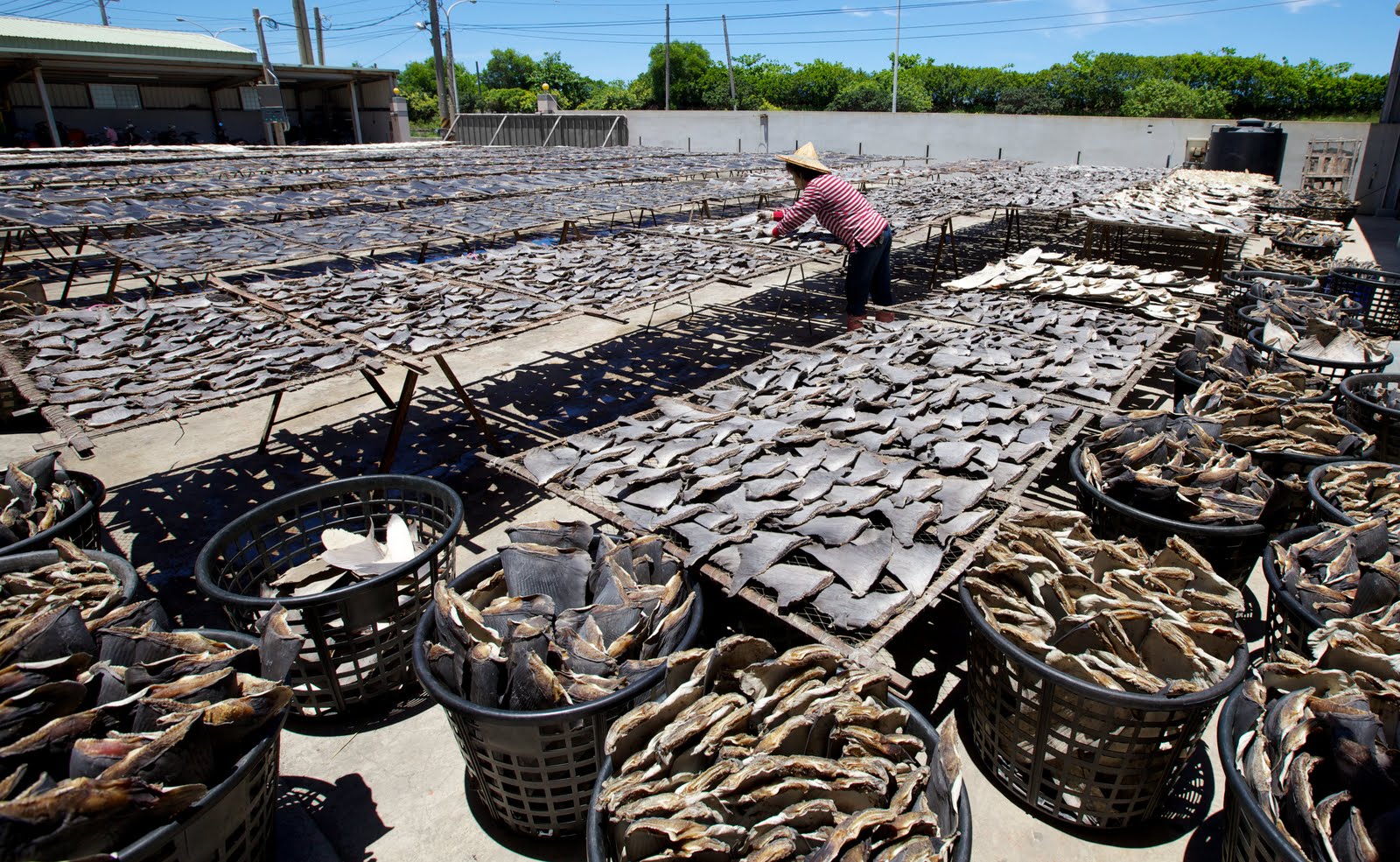
On the Galapagos islands they are active in preventing shark-finning. They also work with the government there to help catch poachers. This includes a dog unit that patrols the beaches and ports. This a great success story of environmental activism and government working together to help protect wildlife.
Then there is the ever present seal-clubbing. No I am not referring to what second- and third-year students do to first years at Varsity. From what they told us at the presentation, 400 000 seals get clubbed every year in Canada. They also told us how they are trying to prevent the covert clubbing of seal in Namibia. Even though it is illegal, apparently over 87 000 seals get clubbed every year. They told us how early in the morning, at Cape Cross, thousands of seals get clubbed, after which bulldozers turn the sand as to hide all the blood. Then the seal get packed into bakkies, covered with a tarp and driven past the long line of patiently-waiting tourists, all of which are oblivious to the atrocities that had happened only moment before. Due to Sea Shepard's attempt to expose this industry they have been deemed enemies of the state. However, they told us that despite this, they sneaked into the country, got footage of the clubbing and then sneaked out again without anybody being the wiser.

They also spoke at length about the decline of the Bluefin Tuna, and their work at the Faeroe Islands. There Pilot Whales are driven to the beaches by small villages, were they are slaughtered en mass. They also explained how dolphins in captivity are caught, and broken; even driven mad, before they are tame enough to be trained. The fact that a dolphin is prepared to eat a dead fish is a worrying sign, and that any dolphin kept in captivity is a form of abuse. If you wish to know more about this topic I would suggest you watch the excellent and enlightening documentary The Cove, which focuses on the Japanese whaling industry as well as the use of dolphins as food and entertainment. I really don't have the heart to go into it any further.

Now these things all pose worrying questions. What is the difference really between hunting dolphins to that of tuna or sardines, or even snoek? For one thing the high mercury content in the flesh of a marine creature so far up the food chain in exceptionally dangerous for human consumption. To me the most important thing is sustainability, for as long as we do not harm that which feeds us, we can feed of it for a very long time. Honestly I have a very scant understanding of marine life, mostly because I cannot stand the smell. I cannot imagine how the insane amount of pollutants, oil spills and excessive fishing can be good for this highly interconnected and complex system. I guess that's why I don't eat fish, unless I know who caught it and where. Seriously I am not kidding.


